Description
Ethyl citrate is a clear, colorless to slightly yellow liquid derived from citric acid. It has a mild odor and shows excellent solubility in alcohols and polar organic solvents. Because of its low toxicity and biodegradability, it is widely used in personal care, pharmaceutical, and food-related formulations.
This ester acts as a plasticizer, flavoring agent, and pH adjuster. It performs well in water-based and alcohol-based systems. Moreover, it enhances solubility, improves stability, and supports product consistency. As a result, formulators choose ethyl citrate for eco-conscious and non-irritating product lines. Ethyl citrate meets many international safety standards and complies with food additive and cosmetic regulations in several countries.
Chemical Properties
Chemical Name: Ethyl Citrate
Synonyms: Triethyl citrate, 2-hydroxy-1,2,3-propane-tricarboxylic acid ethyl ester
Molecular Formula: C₈H₁₄O₇
Molecular Weight: 222.19 g/mol
CAS Number: 77-89-4
EC Number: 201-070-7
Appearance: Clear, colorless or slightly yellow liquid
Odor: Mild, ester-like
Density: ~1.14 g/cm³
Boiling Point: 294°C
Flash Point: 155°C
Solubility: Soluble in alcohols and organic solvents; slightly soluble in water
Vapor Pressure: Low (negligible under standard conditions)
Applications
Cosmetics: Used as a plasticizer in nail polish and a solvent in fragrances.
Food Industry: Functions as a flavor carrier and stabilizer (approved as food additive E1505).
Pharmaceuticals: Used in tablet coatings and suspensions as a solubilizer.
Personal Care Products: Enhances texture and stability in skin and hair formulations.
Plastic Processing: Acts as a bio-based plasticizer for polymers and biodegradable plastics.
Detergents: Supports solubilization in eco-friendly cleaning formulations.
Industries of Use
Cosmetics and Personal Care:
Ethyl citrate improves texture and performance in skincare and haircare products. It also serves as a fragrance solubilizer in body sprays and perfumes.
Food and Beverage Applications:
Food-grade ethyl citrate is used as an emulsifier and stabilizer. It carries flavor oils and balances acidity in beverages.
Pharmaceutical Industry:
Tablet and capsule manufacturers use ethyl citrate in coatings. It improves stability and facilitates controlled release.
Polymer and Plastic Industry:
Biodegradable plastics and eco-friendly packaging use ethyl citrate as a non-toxic plasticizer.
Home Care and Detergents:
It enhances the solubility of actives in green cleaning products. It is safe for sensitive environments and skin.
Storage Conditions
Store in sealed containers in a cool, dry, and well-ventilated area.
Avoid heat, sparks, and open flames.
Protect from direct sunlight.
Recommended storage temperature: 5–30°C
Shelf life: 12 months in original packaging under ideal conditions.
Packaging
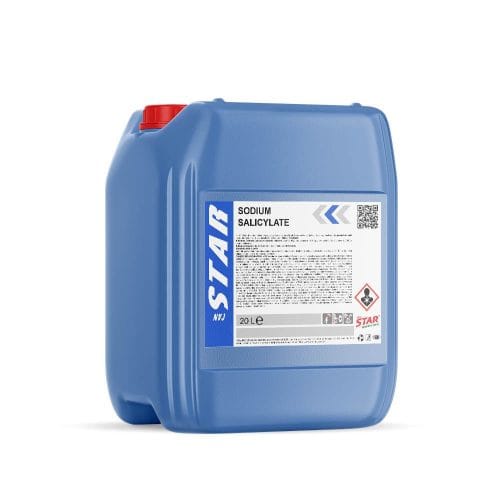
20 L HDPE drum
200 L HDPE barrel
All containers are UN-certified and labeled with product name, batch code, and safety symbols.
Safety & Handling
Ethyl citrate is considered low-risk under normal use.
Wear gloves and goggles during handling.
Avoid prolonged contact with skin and eyes.
Use in well-ventilated areas.
Dispose of waste according to local environmental guidelines.