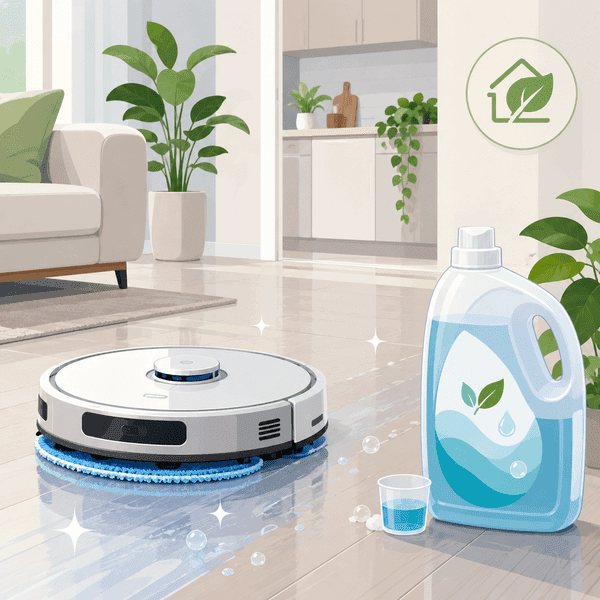
Smart home cleaning is growing fast, and robot vacuum cleaners with mopping functions are now part of everyday life. These devices help users save time, clean more consistently, and maintain floors with less manual effort. However, they also need the right cleaning solution.
A regular floor cleaner is not always suitable for a robot mop. Many standard detergents create too much foam, leave sticky residue, or damage internal parts over time. That is why robot mop detergents must be specially formulated as low-foam cleaning solutions for smart home devices.
Why Robot Mops Need Special Detergents
Robot mop systems work differently from manual mopping. They use small water tanks, pumps, narrow channels, microfiber pads, and controlled liquid dosing. Because of this, the detergent must flow smoothly and clean effectively at a very low dosage.
A good robot mop detergent should:
- Produce very low foam
- Leave no sticky residue
- Dry without streaks
- Protect internal pumps and seals
- Be safe for common hard floors
- Work well at low concentration
If the wrong cleaner is used, the robot may leave marks on the floor, clog its water system, or trigger malfunction warnings.
What Makes a Good Low-Foam Robot Mop Detergent?
The most important feature is low-foam performance. Foam may look like cleaning power in traditional products, but for robot mops, foam is a problem.
Excess foam can:
- Block water flow
- Leave streaks on the floor
- Reduce mop pad performance
- Cause buildup inside the device
- Create sensor or pump issues
For this reason, robot mop detergent manufacturers usually design formulas with carefully selected low-foam surfactants. These ingredients clean daily dirt, dust, and light grease without creating excessive bubbles.
Key Formulation Requirements
1. Low-Foam Surfactant System
The surfactant system must clean effectively while keeping foam under control. Nonionic low-foam surfactants are often preferred because they offer good cleaning power and better compatibility with automated systems.
2. Residue-Free Cleaning
A robot mop detergent should not leave a film behind. Residue can make floors feel sticky and can attract dirt again quickly. A clean-rinsing formula improves the final appearance of tile, laminate, vinyl, and sealed floors.
3. Balanced pH
The formula should be mild enough for regular use. Very acidic or highly alkaline cleaners may damage sensitive flooring materials or internal robot components over time. A balanced pH helps improve safety and compatibility.
4. Material Compatibility
Robot mops contain plastic tanks, rubber seals, tubes, valves, and microfiber pads. The detergent must be compatible with these materials. Aggressive solvents, oils, or strong chemicals may reduce the lifespan of the device.
5. Fast Drying and Streak-Free Finish
Modern consumers expect floors to look clean immediately after the robot finishes. A good formula supports fast drying and reduces visible water marks.
What to Avoid in Robot Mop Detergents
Not every cleaning chemical is suitable for smart cleaning devices. Brands should avoid using formulas that contain:
- High-foaming surfactants
- Bleach-based ingredients
- Strong acids
- Heavy solvents
- Sticky polymers
- Wax or polish additives
- Excessive fragrance oils
- Strong dyes
These ingredients may cause residue, clogging, odor buildup, material damage, or poor floor appearance.
Suitable Product Types for Robot Mop Cleaning
Robot mop detergents can be developed in several formats depending on the market and brand positioning.
Ready-to-Use Robot Mop Cleaner
This format is simple for consumers. The product can be poured directly into the robot tank according to the device instructions.
Concentrated Robot Mop Detergent
Concentrated formulas reduce packaging and shipping costs. The consumer dilutes the product with water before use.
Fragrance-Free Robot Mop Cleaner
Fragrance-free options are ideal for sensitive households, baby rooms, pet owners, and consumers who prefer low-odor cleaning.
Eco-Friendly Robot Mop Detergent
These formulas can include biodegradable surfactants, low-residue ingredients, and recyclable packaging. They are suitable for brands targeting sustainable home care.
Why Low-Foam Detergents Are Important for Smart Homes
Smart home devices are designed for automation. Therefore, cleaning products must also support automation. A robot mop detergent should not require manual rinsing, correction, or repeated cleaning.
Low-foam and residue-free formulas help users achieve:
- Cleaner floors
- Better device performance
- Longer equipment life
- Fewer complaints and returns
- A more premium cleaning experience
This makes robot mop detergents a valuable product category for home care brands in 2026 and beyond.
Private Label Robot Mop Detergent Opportunities
The demand for robot vacuum and mop cleaners creates a strong opportunity for private label brands. Retailers, e-commerce sellers, distributors, and smart home accessory brands can launch their own robot mop detergent line without building a factory.
Private label options may include:
- Low-foam robot mop detergent
- Fragrance-free robot floor cleaner
- Eco-friendly robot mop solution
- Concentrated robot mop cleaner
- Sensitive-home cleaning formulas
- Custom packaging and label design
With private label production, brands can customize the formula, fragrance level, packaging size, and market positioning.
Packaging Options for Robot Mop Detergents
Robot mop detergents can be produced in different packaging sizes:
- 250 ml trial bottles
- 500 ml retail bottles
- 1 L family-size bottles
- 2 L refill bottles
- Concentrated refill pouches
- Bulk packaging for distributors
Concentrated and refill formats are especially attractive because they reduce plastic use and shipping costs.
Why Turkey Is a Strong Production Hub
Turkey offers strong advantages for brands searching for robot mop detergent manufacturers. The country has an established detergent and cleaning chemical industry, competitive production costs, and fast logistics access to Europe, the Middle East, and nearby regions.
For international buyers, Turkey provides:
- Flexible private label production
- Competitive pricing
- Strong export experience
- Custom formulation support
- Packaging flexibility
- Shorter delivery times to many markets
These advantages make Turkey a practical choice for smart home cleaning product manufacturing.
Star Kimya Private Label Robot Mop Detergent Manufacturing
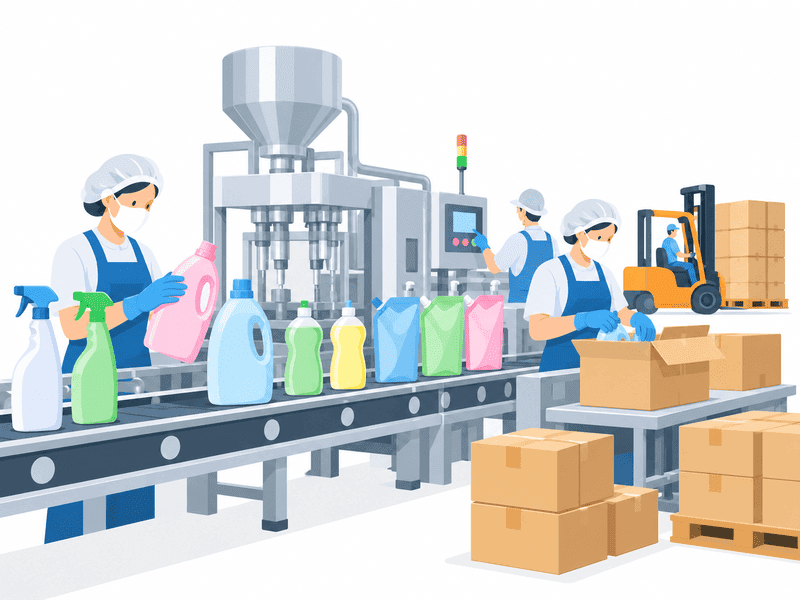
Star Kimya is a custom cleaning product manufacturer in Turkey offering private label and contract manufacturing solutions for detergents and home care products. For smart home cleaning brands, Star Kimya can support the development of low-foam robot mop detergents, fragrance-free floor cleaners, concentrated formulas, and eco-friendly cleaning solutions.
With flexible packaging options, formulation experience, and export-ready production, Star Kimya helps brands launch robot mop cleaning products quickly and efficiently. This makes Turkey-based private label manufacturing a strong option for companies targeting the growing smart home care market.
Conclusion
Robot mop detergents are becoming an important category in modern home care. As more consumers use smart cleaning devices, demand for low-foam, residue-free, and appliance-safe detergents will continue to grow.
For brands, this category offers strong potential. With the right formula, packaging, and private label manufacturing partner, robot mop detergents can become a profitable and future-ready product line in the smart home cleaning market.
Robot Vacuum Cleaner Detergent – Low-Foaming, Residue-Free Floor Cleaning Solution