Consumers are becoming more careful about the products they use at home. Laundry detergent is one of the most important daily-use products because it touches clothes, towels, bedding, baby garments, and sensitive skin. As a result, many households are now looking for safer, cleaner, and more sustainable options.
One of the fastest-growing choices in home care is plant based laundry detergent. These detergents are formulated with plant-derived cleaning agents, biodegradable ingredients, and gentler alternatives to harsh conventional chemicals. They are designed to clean effectively while reducing environmental impact and improving skin comfort.
What Is Plant Based Laundry Detergent?
A plant based laundry detergent is a laundry cleaning product made with ingredients derived from renewable plant sources such as coconut, corn, sugar, palm kernel, olive oil, or other vegetable-based raw materials.
Instead of relying heavily on petroleum-based surfactants or aggressive synthetic additives, plant based detergents use milder and more biodegradable ingredients to remove dirt, oil, sweat, and stains from fabrics.
A good plant based laundry detergent should offer:
Effective stain removal
Gentle cleaning for fabrics
Lower irritation potential
Biodegradable ingredient profile
Safer use for families and sensitive skin
Reduced environmental impact
Plant based does not always mean 100% natural, but it usually means the formula is developed with renewable, more eco-conscious raw materials.
Why Are Plant Based Laundry Detergents Becoming Popular?
The rise of plant based detergents is closely connected to consumer demand for cleaner labels and more responsible products. People want products that work well but also align with health and sustainability values.
Main reasons for this trend include:
Growing awareness of harsh chemical exposure
Higher demand for biodegradable detergents
More interest in vegan and cruelty-free products
Sensitive skin and allergy concerns
Reduced plastic and refill packaging trends
Environmental concerns about water pollution
In 2026 and beyond, plant based laundry detergents are expected to continue growing, especially in Europe, North America, and premium private label markets.
Key Ingredients in Plant Based Laundry Detergent
A high-quality plant based laundry detergent combines several ingredient groups. Each one has a specific function in the formula.
1. Plant Based Surfactants
Surfactants are the main cleaning agents in any detergent. They reduce surface tension and help remove dirt, grease, and oil from fabric.
Common plant based surfactants include:
Decyl glucoside – mild surfactant derived from glucose and plant fatty alcohols
Lauryl glucoside – gentle, biodegradable surfactant often used in sensitive formulas
Coco glucoside – derived from coconut oil and sugar, suitable for eco-friendly detergents
Caprylyl/capryl glucoside – plant-derived surfactant with good solubilizing properties
Potassium cocoate – soap-based surfactant made from coconut oil
These surfactants are valued because they are generally mild, biodegradable, and compatible with eco-friendly positioning.
2. Mineral Based Builders
Builders improve detergent performance by softening water and supporting soil removal. Hard water can reduce cleaning efficiency, so builders are important in laundry formulas.
Common mineral based builders include:
Sodium carbonate – improves alkalinity and helps remove dirt
Sodium bicarbonate – supports odor control and mild cleaning
Sodium percarbonate – oxygen-based stain remover for whites and bright fabrics
Sodium silicate – supports cleaning and corrosion control in some formulas
These ingredients help the detergent work better without relying on phosphates or harsh additives.
3. Biodegradable Chelating Agents
Chelating agents bind minerals such as calcium and magnesium in hard water. This helps prevent residue, improves cleaning, and supports better rinsing.
Common biodegradable chelating agents include:
Sodium citrate
Sodium gluconate
GLDA
MGDA
These ingredients are often preferred in modern eco-friendly detergents because they offer strong performance with improved biodegradability compared to older chelating systems.
4. Enzymes for Stain Removal
Many plant based laundry detergents use enzymes to improve stain removal at lower temperatures. Enzymes are effective because they target specific types of stains.
Common enzyme types include:
Protease – helps break down protein stains such as food, milk, and sweat
Amylase – targets starch-based stains
Lipase – helps remove oily and greasy stains
Cellulase – supports fabric care and helps reduce dullness
Enzyme-based formulas are useful for cold-wash performance and energy-saving laundry routines.
5. Natural or Fragrance-Free Options
Plant based detergents may be produced with natural fragrance oils, allergen-controlled fragrances, or completely fragrance-free formulas.
For sensitive skin, fragrance-free options are often preferred. They reduce the chance of irritation caused by perfume components and are suitable for:
Baby clothes
Allergy-prone users
Eczema-sensitive skin
Sensitive households
Fragrance-free product lines
Main Benefits of Plant Based Laundry Detergent
1. Gentler on Sensitive Skin
Many plant based laundry detergents are formulated without harsh dyes, heavy perfumes, chlorine bleach, or aggressive surfactants. This makes them a better option for people who want a milder laundry product.
They are especially attractive for families with babies, children, or sensitive skin users.
2. Better Environmental Profile
Plant based detergents often use biodegradable surfactants and renewable raw materials. This helps reduce long-term environmental impact after the detergent enters wastewater systems.
A biodegradable formula supports cleaner waterways and reduces chemical persistence in the environment.
3. Suitable for Vegan and Cruelty-Free Product Lines
Plant based detergents are often compatible with vegan positioning because they can be formulated without animal-derived ingredients. This is important for modern consumers who want ethical home care products.
Brands can also combine plant based claims with cruelty-free and eco-friendly branding.
4. Effective Cleaning Performance
A common misconception is that plant based detergents are weak. In reality, modern plant based formulas can deliver strong cleaning performance when properly developed.
With the right combination of surfactants, builders, enzymes, and chelating agents, plant based laundry detergents can clean everyday dirt, sweat, food stains, and odors effectively.
5. Works Well in Concentrated and Refill Formats
Plant based detergents are ideal for concentrated formulas, refill pouches, powder systems, and eco-friendly packaging concepts.
This supports:
Less plastic waste
Lower shipping weight
Reduced storage space
Better cost-per-use
Stronger sustainability positioning
For brands, this creates both environmental and commercial advantages.
Plant Based vs Conventional Laundry Detergent
Conventional detergents may rely more heavily on petroleum-based surfactants, synthetic fragrances, optical brighteners, dyes, and stronger chemical systems. These can provide strong cleaning but may not match the expectations of eco-conscious or sensitive-skin consumers.
Plant based detergents focus more on:
Renewable raw materials
Biodegradable cleaning agents
Lower irritation potential
Simple ingredient communication
Sustainable packaging compatibility
For modern consumers, this difference is not only about cleaning. It is also about health, environmental responsibility, and brand trust.
Who Should Use Plant Based Laundry Detergent?
Plant based laundry detergent is suitable for many different users, including:
Families with children
Sensitive-skin consumers
Eco-conscious households
Vegan product buyers
People looking for fragrance-free laundry products
Brands targeting premium sustainable home care
It is also a strong category for retailers and distributors who want to expand their eco-friendly product portfolio.
What to Look for When Choosing a Plant Based Laundry Detergent
Consumers should look for products that offer clear and honest claims.
Important selection criteria include:
Plant based surfactants
Biodegradable formula
Fragrance-free or allergen-controlled options
Dye-free formula
Effective stain removal
Cold-wash performance
Recyclable or refill packaging
Transparent ingredient communication
A well-balanced plant based detergent should be gentle, effective, and practical for daily use.
Private Label Plant Based Laundry Detergent Manufacturing in Turkey
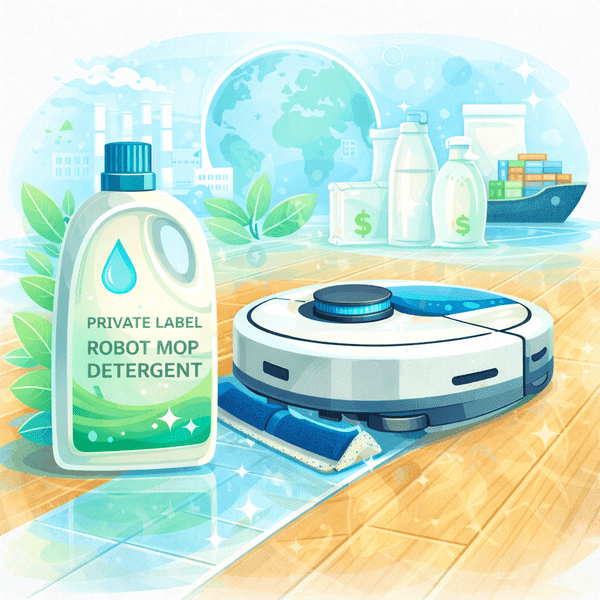
For brands looking to launch their own plant based laundry detergent, private label manufacturing offers a fast and cost-effective route to market. Turkey is a strong production hub for private label detergents, contract manufacturing detergents, and custom cleaning product development thanks to its competitive production costs, flexible packaging options, and strategic export location.
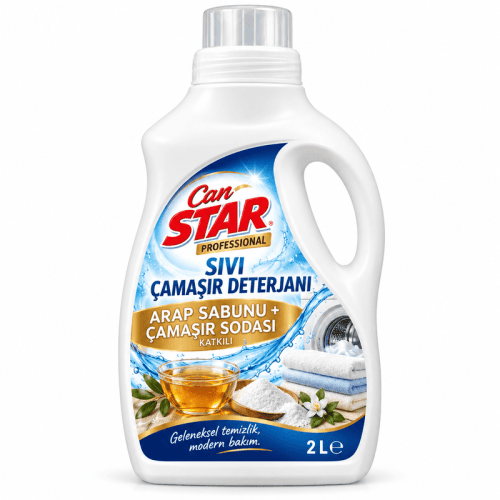
Star Kimya, as a custom cleaning product manufacturer in Turkey, supports brands with private label plant based laundry detergent production, including biodegradable, vegan, fragrance-free, dye-free, concentrated, and refill-compatible formulas. With formulation experience, export-ready production, and flexible packaging options such as 1 L, 2 L, 3 L, 5 L, refill pouches, and bulk formats, Star Kimya helps international brands create sustainable laundry products under their own label.
Conclusion
Plant based laundry detergent is more than a trend. It represents a major shift in consumer expectations toward safer, cleaner, and more sustainable home care products.
With plant-derived surfactants, biodegradable ingredients, sensitive-skin options, and refill-friendly formats, plant based detergents offer strong value for both consumers and brands.
For companies planning to enter the eco-friendly laundry market, private label plant based detergent production is a powerful opportunity to build a modern, responsible, and competitive product line.
Hypoallergenic Laundry Detergent – Fragrance-Free & Dye-Free